You can mix silver-tone and gold-tone jewelry by repeating one detail and giving the combination a clear focal point. Start with pieces you already enjoy, then compare their scale, finish and placement. They do not need identical colors or matching motifs.
Metal tone describes appearance. Before buying, separately check whether a piece is solid gold, gold-plated silver or another material; a styling label is not a material specification.
Choose one piece to lead
A decorative ring can be the center of the combination while smaller earrings or a simple necklace supply the second metal tone. Alternatively, make a necklace the main feature and keep the rings restrained.
Use a repeated detail to connect the pieces
Try curved lines in both pieces, two slim chains, or one shared gemstone color. This creates a visual link without making the entire outfit a matching set.
You can also let the clothing supply the connection. A belt buckle or bag hardware may echo one tone, while a neutral shirt leaves room for the jewelry. Treat this as an option, not a rule requiring every accessory to match.
Compare finishes as well as colors
A polished surface and a brushed finish can create a different contrast from two polished pieces. Look at the combination in ordinary light rather than judging only from product close-ups.
If one piece has a visibly aged finish, decide whether you enjoy that contrast with a new polished item. There is no requirement to make each surface identical before wearing them together.
Check physical contact when stacking
Styling compatibility does not establish that pieces are safe to rub against one another. Rings worn directly together can contact their bands and settings; layered chains can catch or twist.
Inspect where the designs meet during movement. If a setting rubs against another stone or a chain catches in openwork, separate the pieces or wear them in different positions. Do not assume that all finishes tolerate the same abrasion.
Try three simple combinations
- A silver-tone gemstone ring with a plain gold-tone necklace.
- Two slim necklaces in different tones with distinct lengths.
- A main pendant with small earrings that repeat one shape or color.
Take a quick photograph in the outfit you plan to wear. If the result feels busy, remove one element before buying something else to make the combination work.
Keep buying decisions factual
Read the metal, plating and care information for each item separately. A gold-colored finish does not establish solid gold, and a silver-colored finish does not establish sterling silver. Our colored gemstone selection guide explains how to separate gemstone, metal and finish details.
Two ways to introduce another metal tone
A finish option and a mixed-tone design are different choices. Check the actual metal and plating information independently of the styling effect.
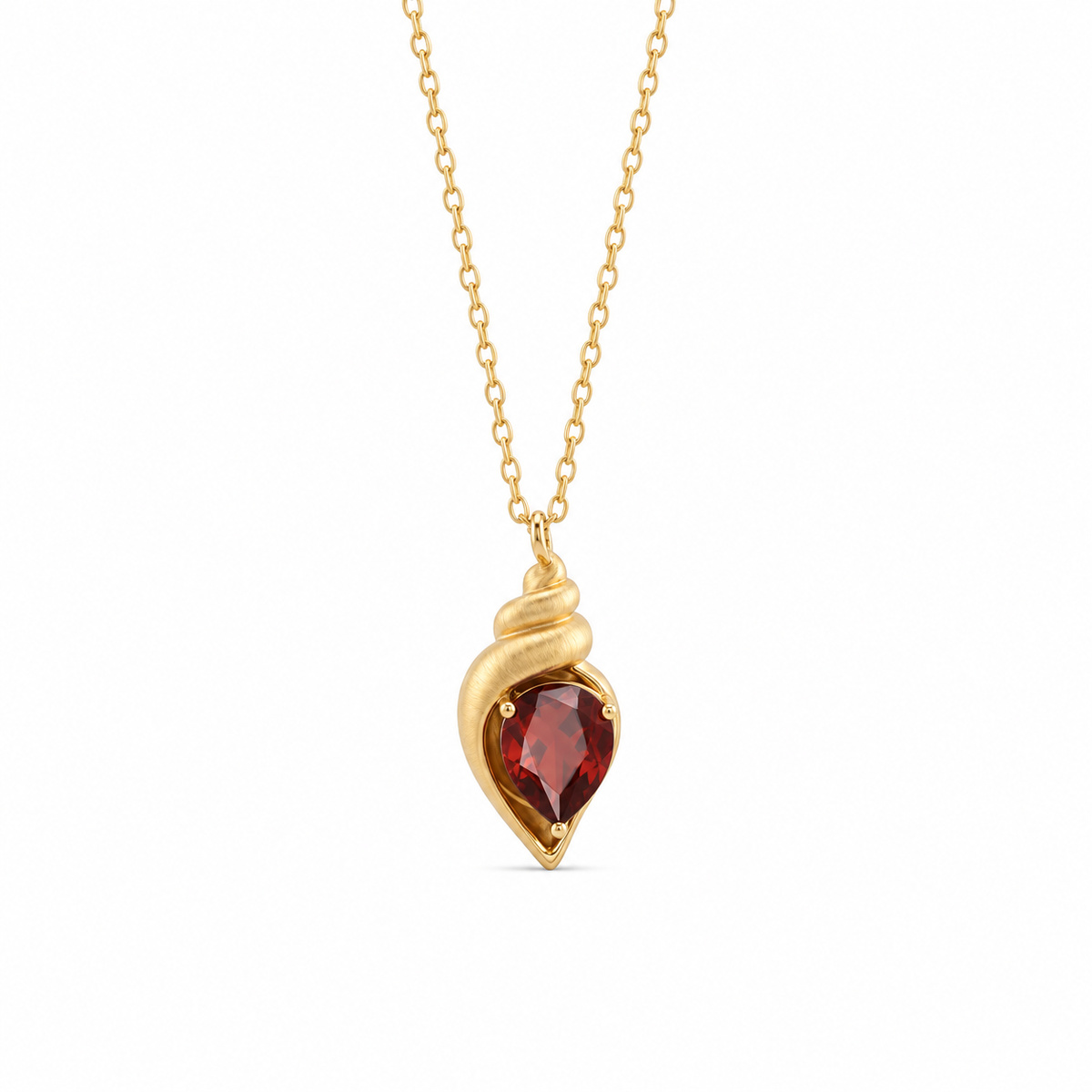
Brushed conch pendant
The listing offers gold-plated or silver-plated tones and gives a 9 × 20 mm pendant with a 6 × 8 mm center. Its sculpted shell outline can introduce a different surface texture beside a polished piece. The image shows a gold-tone option with a red stone.
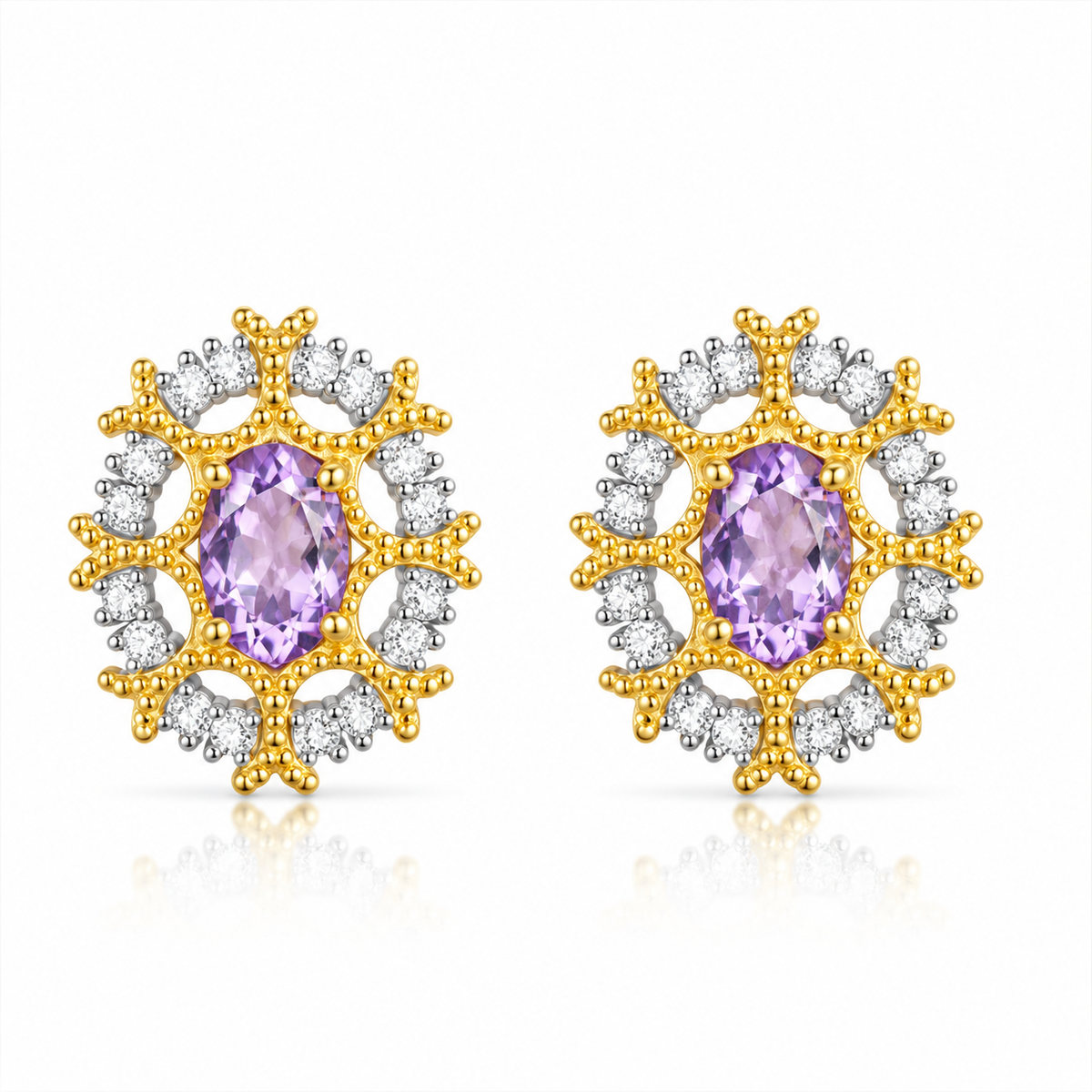
Two-tone snowflake studs
The design combines gold-tone snowflake details with silver-tone clear-stone sections. It can act as a visual bridge between other accessories in those tones. The listing gives a 12 × 14 mm overall earring and a 4 × 6 mm center; the image shows purple centers.