To layer pendant necklaces, give each pendant its own space and compare the complete lengths on your body. Two necklaces with different listed chain lengths can still overlap if the pendants are large or if their extenders bring them to similar positions.
Start with two pieces. A stack that works with your clothes and movement is more useful than following a fixed rule about how many necklaces you should wear.
Measure the necklaces you already own
Lay each necklace flat and record its wearable length. Note whether the listed measurement includes an extender, and measure the pendant separately. The bottom of a long pendant sits below the chain’s lowest point, so chain length alone cannot predict the finished arrangement.
Try both necklaces with the actual neckline you intend to wear. Neck circumference, garment thickness and pendant shape change where the pieces settle.
Give one pendant the main role
You do not need matching motifs. One repeated detail—a metal tone, rounded outline or gemstone color—can provide enough connection for the combination.
Check the stack while moving
Look in a mirror while sitting, turning your head and reaching forward. A stack that appears separate when you stand still may bunch together during ordinary movement. Check whether clasps migrate toward the front or pendants slide over one another.
If the pieces overlap, change the extender positions or remove one necklace. Avoid adding an extender without checking that its clasp, metal and construction suit the necklace.
Use the neckline as part of the layout
A plain open neckline can give pendants a clear background. A buttoned shirt may work better with one pendant visible above the opening and another worn over the fabric. With a decorated collar, a single necklace may be the more comfortable choice.
These are styling options, not requirements for a particular face or body shape. Judge the actual arrangement against your clothes rather than buying a length based on a universal chart.
Layering does not eliminate tangles
Similar fine chains can still wind around one another. A necklace separator may help with some combinations but does not guarantee that every stack stays apart. Check that any accessory does not pull on a delicate chain or prevent the clasp from closing properly.
A simple final check
- Each pendant is visible when you move.
- The combined weight and clasps feel comfortable.
- The neckline does not trap or rub the designs.
- You can fasten and remove each necklace without pulling.
If you are choosing the first piece in a stack, start with our gemstone pendant length and size guide.
Two necklace outlines to compare for a layered look
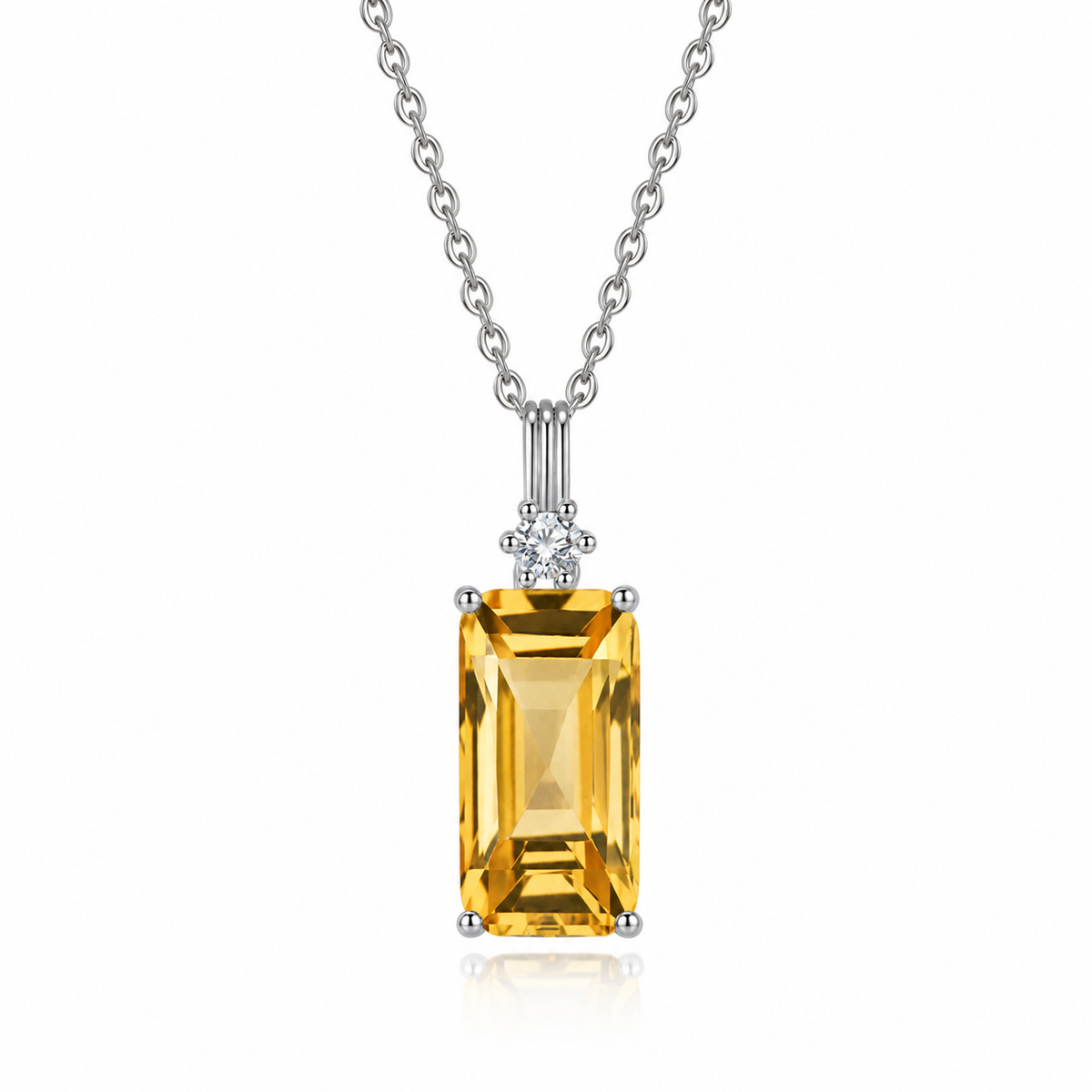
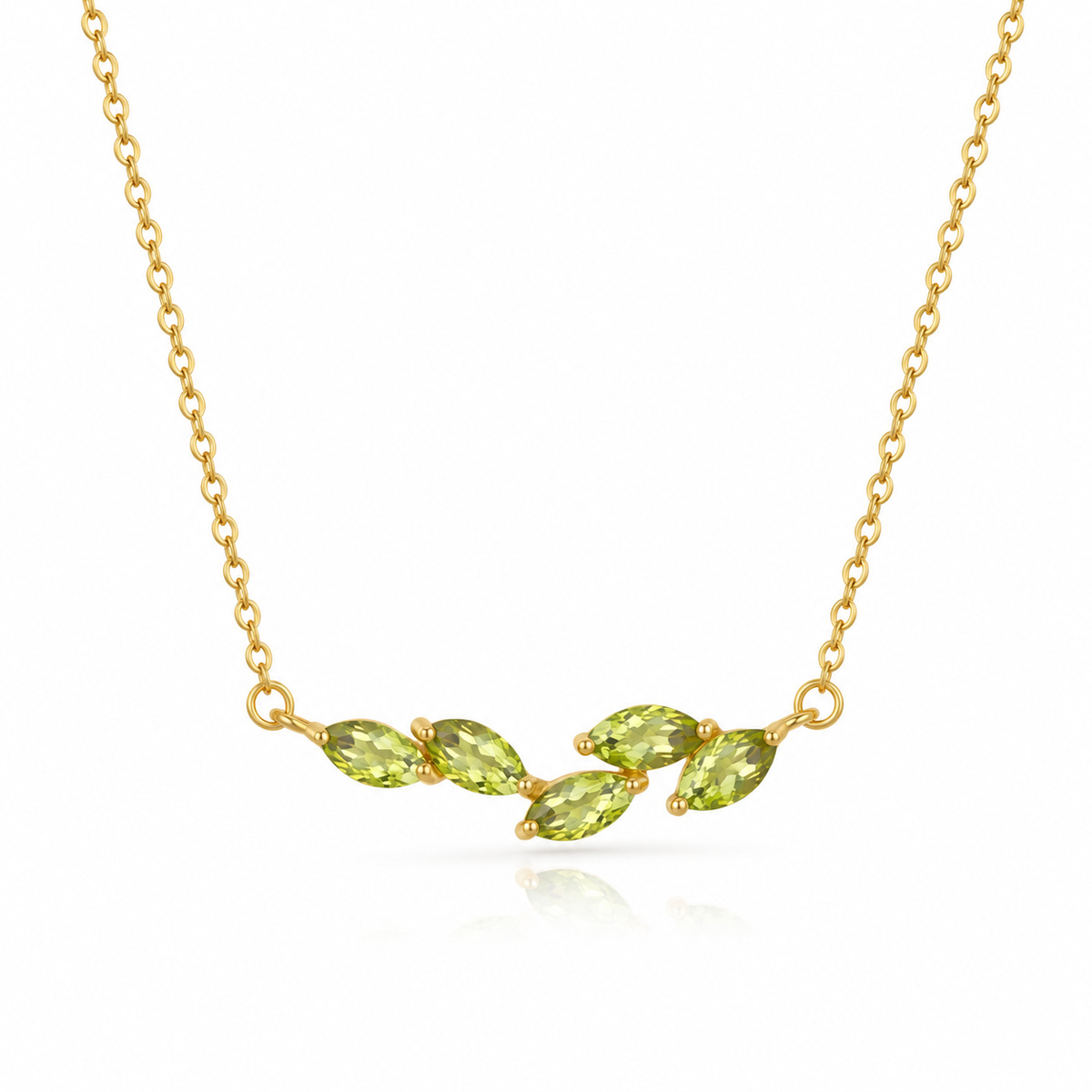
Use these as alternative pieces to build around, not a guaranteed ready-made stack. Both listings describe a 40 cm chain with a 5 cm extender, so wearing them together may require more separation than the supplied lengths provide.
A horizontal leaf bar
The listing gives a 27 × 7 mm pendant and offers single-color options plus a multicolor option. Its wider, shallower outline is useful to compare with a vertical pendant when planning a neckline. The image shows one green-stone option; select the gemstone and finish on the listing.
A vertical rectangular pendant
This design uses a rectangular center and a small round accent above it. The listing offers Amethyst, Citrine and Blue Topaz. Compare the full pendant length with the leaf bar, and confirm their positions on your own neckline rather than assuming equal chain labels mean equal visual placement.